


The impact
Reuse the same delivery model across clients
Shared Applications, methods and templates can be used repeatedly without building a separate technology stack for every account.
Keep client context separated
Knowledge, data, permissions and work history remain scoped to the correct client while the delivery team works through one operating layer.
Give teams one consistent way to work
Administration, learning resources, Chat and Applications sit inside the same white-labelled environment instead of separate point tools.
Productise expertise without removing the expert
The platform provides repeatable infrastructure while senior professionals remain at the centre of client judgement and service delivery.
The problem
Consultancies and service providers may want to productise AI-enabled delivery, but every client has different knowledge, data and permissions. Separate point tools create duplicated setup, inconsistent delivery and a growing risk of client context being mixed or handled differently.
What the platform does
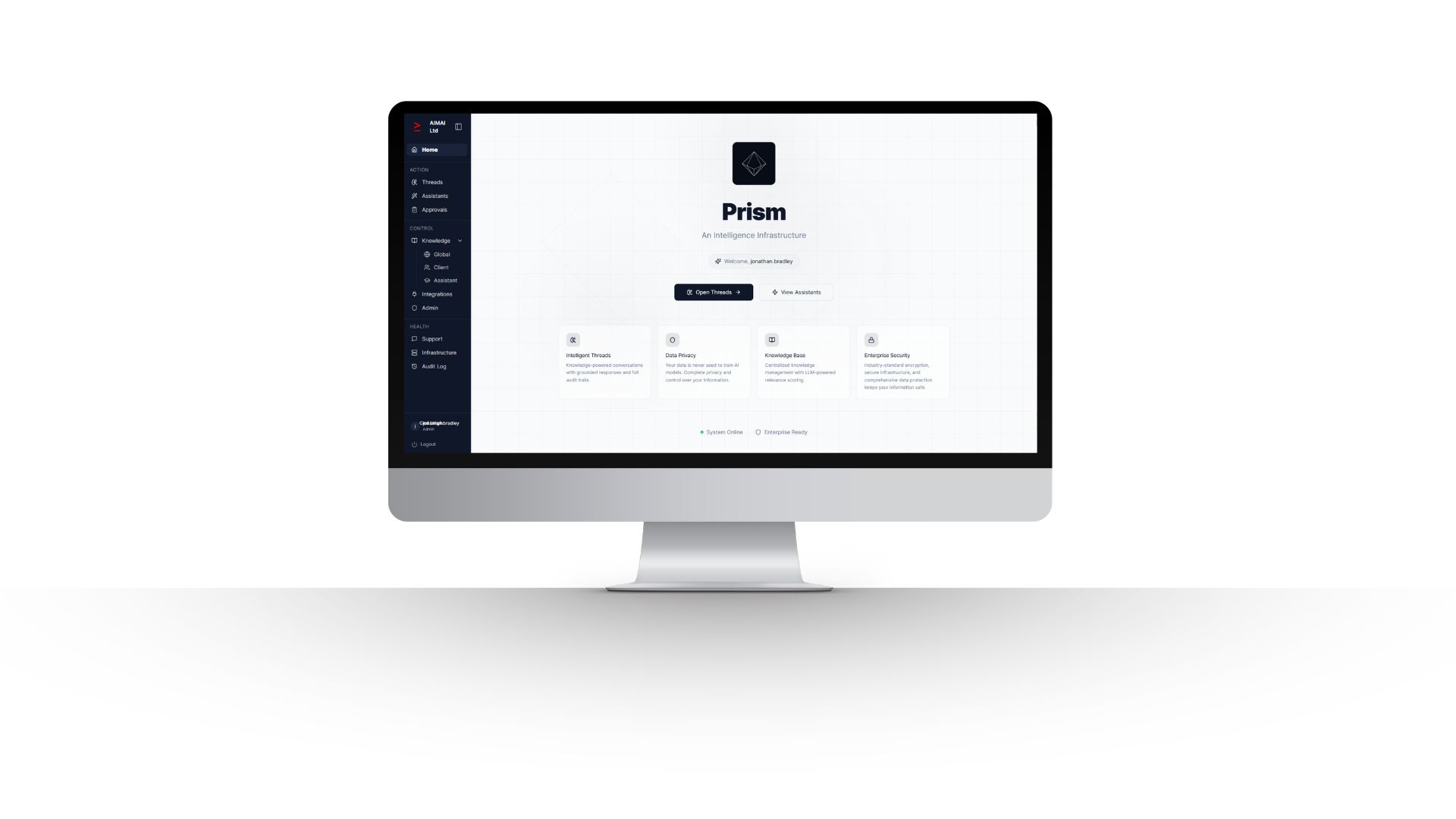
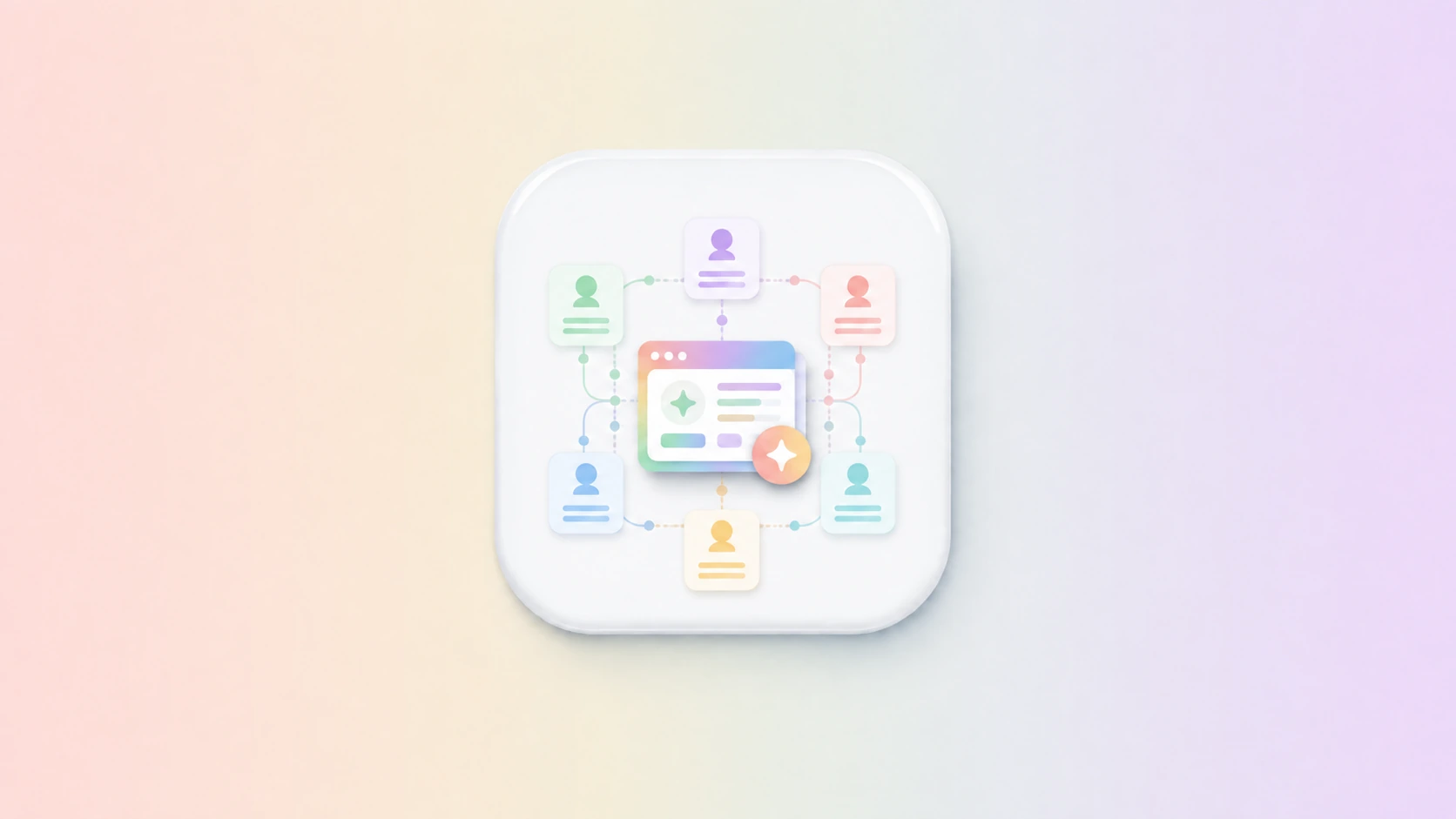
AIMAI built the model as a central service-provider workspace with client-scoped knowledge, Chat and Applications. Teams can reuse shared methods and templates while each client account has its own context, permissions and optional client-facing access. Administration, learning resources and delivery infrastructure operate as one system rather than a collection of separate tools.
How it works
- Shared service methodology and Application catalogue configured
- Each client receives a separate knowledge and data context
- Users receive permissions for the client accounts they are authorised to serve
- Shared Applications run against the selected client’s governed context
- Outputs, history and delivery resources stay attached to the correct client
- Central administrators manage access, variants and optional client-facing use
What it uses
- Service methodology and shared templates
- Client-specific knowledge and data
- Account and user permissions
- Common Applications and client-specific variants
What it produces
- Central team workspace
- Separated client workspaces
- Shared governed delivery Applications
- Optional client-facing access and consistent service outputs
Where people stay in control
Client boundaries, access and knowledge are centrally managed. Users see only authorised client context, while experienced professionals retain responsibility for advice, interpretation and delivery.
The result
Service teams can operate through one governed delivery layer while each client retains a distinct knowledge, data and permissions context. Shared Applications and methods become reusable infrastructure, administration is centralised and professional judgement stays with the people responsible for the client relationship.
Could something similar work in your business?
It is likely to be relevant if:
- You deliver a repeatable professional service across many client accounts.
- Each client has different knowledge, data, permissions or delivery context.
- Teams are duplicating AI setup or using separate point tools for each account.
- You want shared Applications and methods without mixing client information.
- The service needs to stay human-led even as more of the delivery workflow becomes AI-enabled.
Have a workflow like this?
Tell us how your team manages AI-enabled delivery across client accounts today. If the challenge involves repeatable methods, client-specific context and strong data boundaries, we can show you how a white-labelled service workspace could be configured around your operating model.