




The impact
Give quality teams a cleaner starting point
Incoming forms and evidence are converted into a consistent record before specialist investigation begins.
Reduce repetitive intake administration
Key fields, completeness checks and evidence organisation happen through one structured workflow.
Make missing information visible early
Incomplete records and exceptions are flagged before they disappear into the investigation process.
Keep regulated decisions with specialists
The Application prepares and categorises the record, while the quality team remains responsible for regulatory, corrective and clinical decisions.
The problem
Quality, incident and complaint information can arrive in inconsistent forms, attachments and correspondence. Staff then spend time extracting key details, naming evidence, categorising the issue and making sure the record reaches the correct quality workflow.
What the Application does
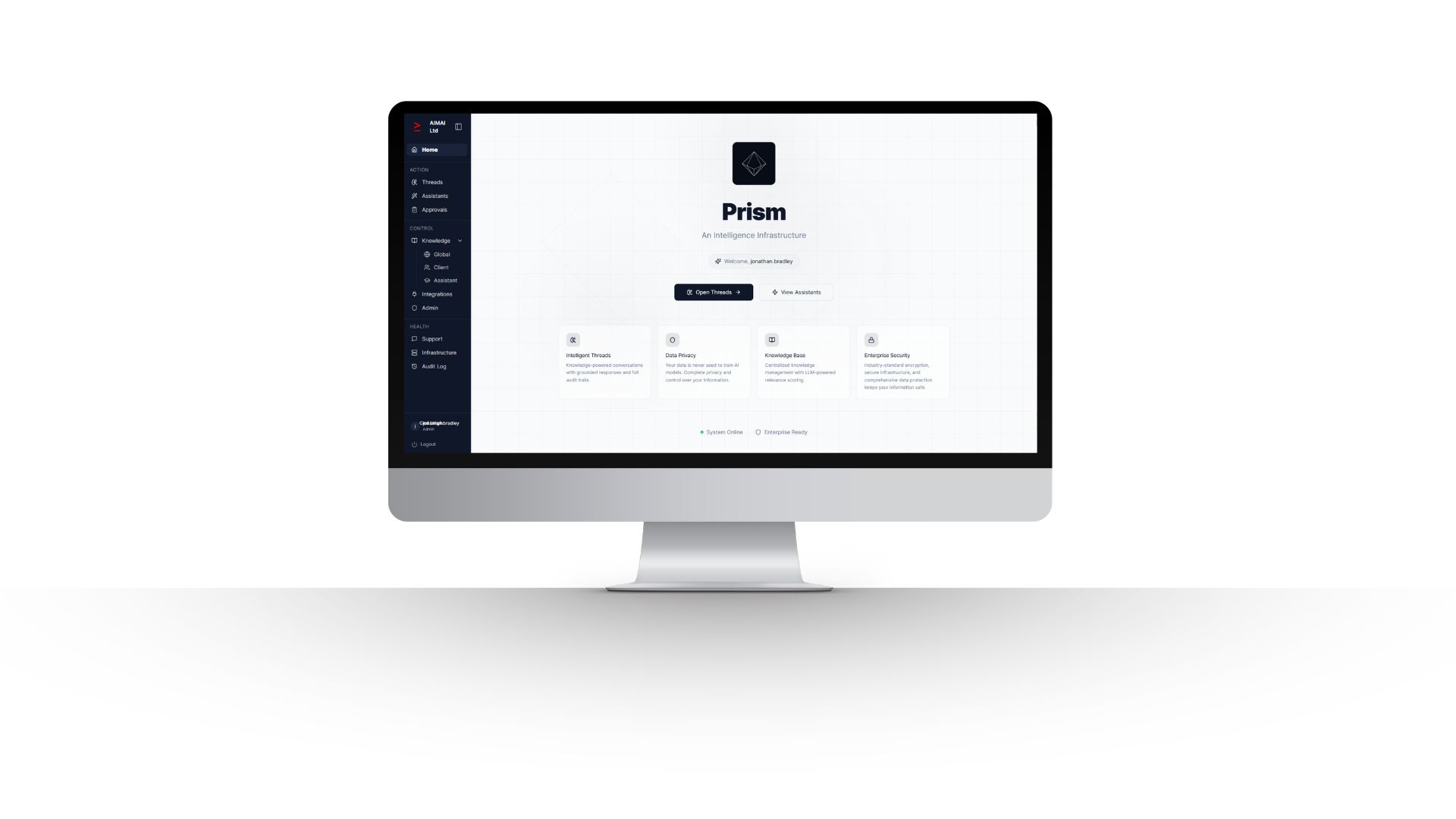
AIMAI built the Application to turn incoming forms and supporting evidence into a controlled quality-intake workflow. It extracts agreed fields, checks completeness, proposes the appropriate category, organises the supporting evidence and surfaces exceptions or escalation flags before the record moves to the quality team for review.
How it works
- Complaint or incident form and supporting evidence received
- Agreed fields extracted into a structured record
- Completeness and required information checked
- Quality category proposed using approved taxonomy
- Evidence organised and exceptions flagged
- Quality team reviews classification and decides next action
What it uses
- Complaint or incident forms
- Supporting correspondence and evidence
- Quality categories and taxonomy
- Routing and escalation rules
What it produces
- Structured incident record
- Classification and completeness check
- Organised evidence set
- Exception and escalation flags
Where people stay in control
Quality teams review the proposed classification and determine regulatory, corrective or clinical action. The Application does not make regulated decisions autonomously.
The result
Quality specialists begin from a more consistent, review-ready case record rather than manually reconstructing the intake from forms and attachments. Completeness, classification and evidence are easier to inspect while accountable regulated decisions remain human.
Could something similar work in your business?
It is likely to be relevant if:
- Complaint, incident or quality records arrive through inconsistent forms and attachments.
- Staff repeatedly extract the same fields and organise supporting evidence by hand.
- Cases need to be classified against an approved quality taxonomy.
- Missing information or escalation points must be identified early.
- Regulatory or clinical decisions must remain with authorised specialists.
Have a workflow like this?
Tell us how complaint or incident records enter your quality process today. If the workflow has similar forms, taxonomies, completeness checks and regulated review, we can show you how an Application could be configured around your intake process.