
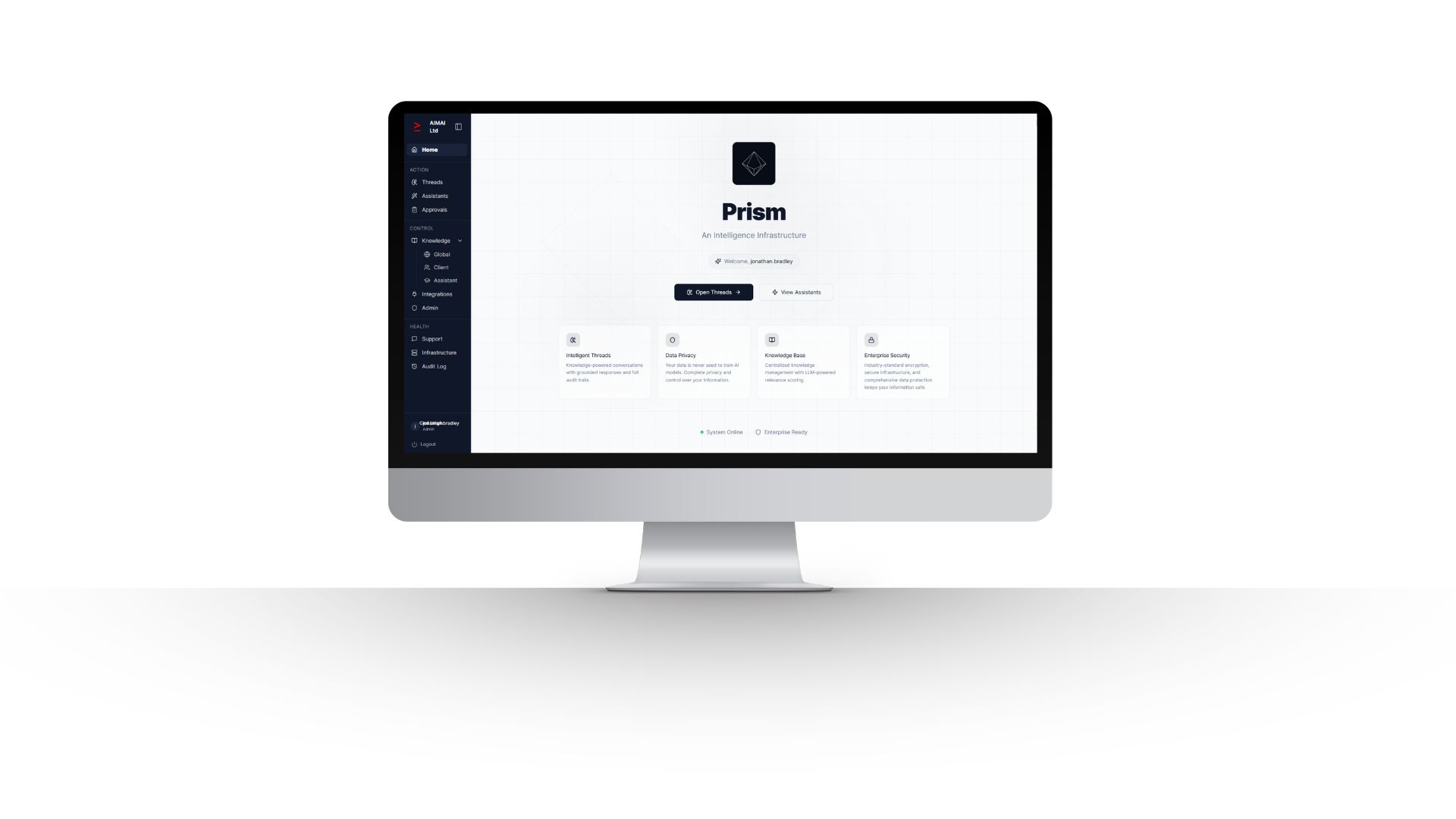


Paxman Scalp contacted AIMAI wanting to scale their global operations and streamline their administrative workload. We developed a bespoke plan for them, without compromising strict medical regulations.
At a Glance
- The Goal: Scale global support and streamline administrative workflows without compromising strict medical device regulations.
- The Solution: A secure, private, and role-based AI platform built on policy-first governance.
- The Impact: Reduced repetitive manual searching, controlled data privacy, and a clear, reusable blueprint for future AI applications.
The Challenge: Balancing Global Scale with Medical Regulation
Paxman Scalp Cooling is a global leader in medical technology, helping cancer patients minimise hair loss during chemotherapy. As the business expanded across international markets, the volume of technical queries, device history searches, and quality records grew rapidly.
Retrieving this technical and operational data required significant manual effort from highly skilled engineers and quality specialists, pulling them away from high-value development work.
While public generative AI tools offered a tempting shortcut for quick information retrieval, they posed unacceptable risks for a medical device business:
- Data Privacy: Uploading proprietary documents or customer details to public models violates strict data protection regulations.
- Accuracy: Public tools are prone to hallucinations, which is a major compliance risk in a clinical context.
- Control: The business needed complete traceability over who accessed specific technical documents.
To solve this, Paxman needed a private, secure, and auditable AI environment tailored specifically to their medical device workflows.
Why Governance Preceded Technology
National Breakdown and AIMAI collaborated to identify exactly where automation could Rather than rushing to build applications, Paxman and AIMAI began by establishing the rules of engagement. We helped Paxman draft its official Generative Artificial Intelligence in the Workplace Policy.
This policy created a clear distinction for staff:
- It defined approved, secure environments (such as Microsoft Copilot Chat and Paxman’s proprietary AIMAI platform).
- It explicitly banned the use of unapproved, public AI tools for company work.
- It established mandatory protocols for human review of any AI-generated outputs.
By putting policy first, Paxman turned AI from a shadow-IT compliance risk into a controlled, strategic asset.
The Secure AI Platform
With a solid policy framework in place, we deployed a branded AI platform designed to host custom internal applications. The platform is secure, scalable, and built around the practical realities of a medical technology business.
| Capability | Operational Function | Why It Matters |
| Custom AI Apps | Dedicated tools built for specific internal tasks. | Keeps AI focused on real work rather than general-purpose browsing. |
| Role-Based Access | Controls what information different users can see. | Protects sensitive clinical records and proprietary technology. |
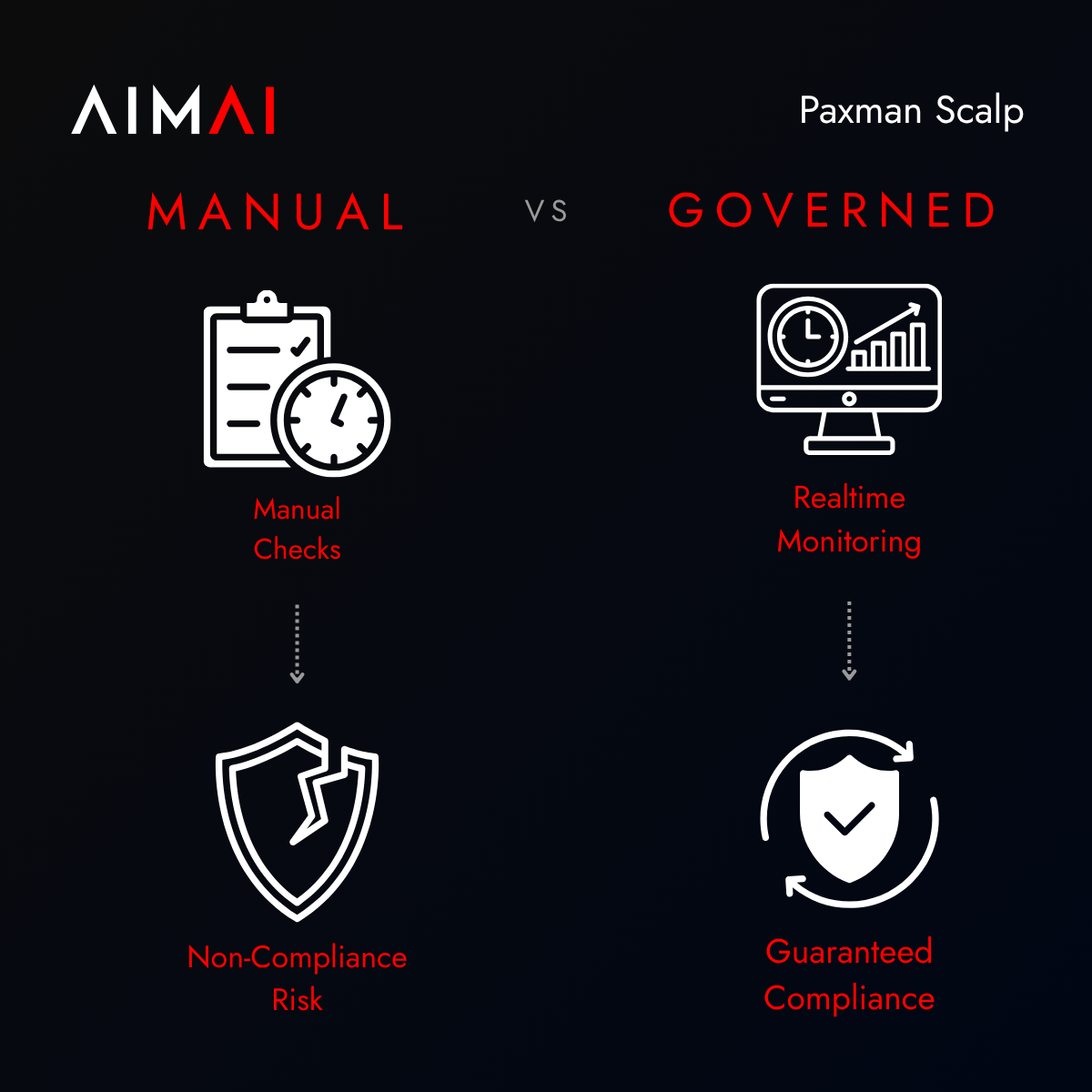
| Logging and Audit | Records all queries and system responses. | Provides complete traceability for regulatory audits. |
| Branded User Portal | A secure, company-controlled internal interface. | Discourages staff from using risky, external public AI tools. |
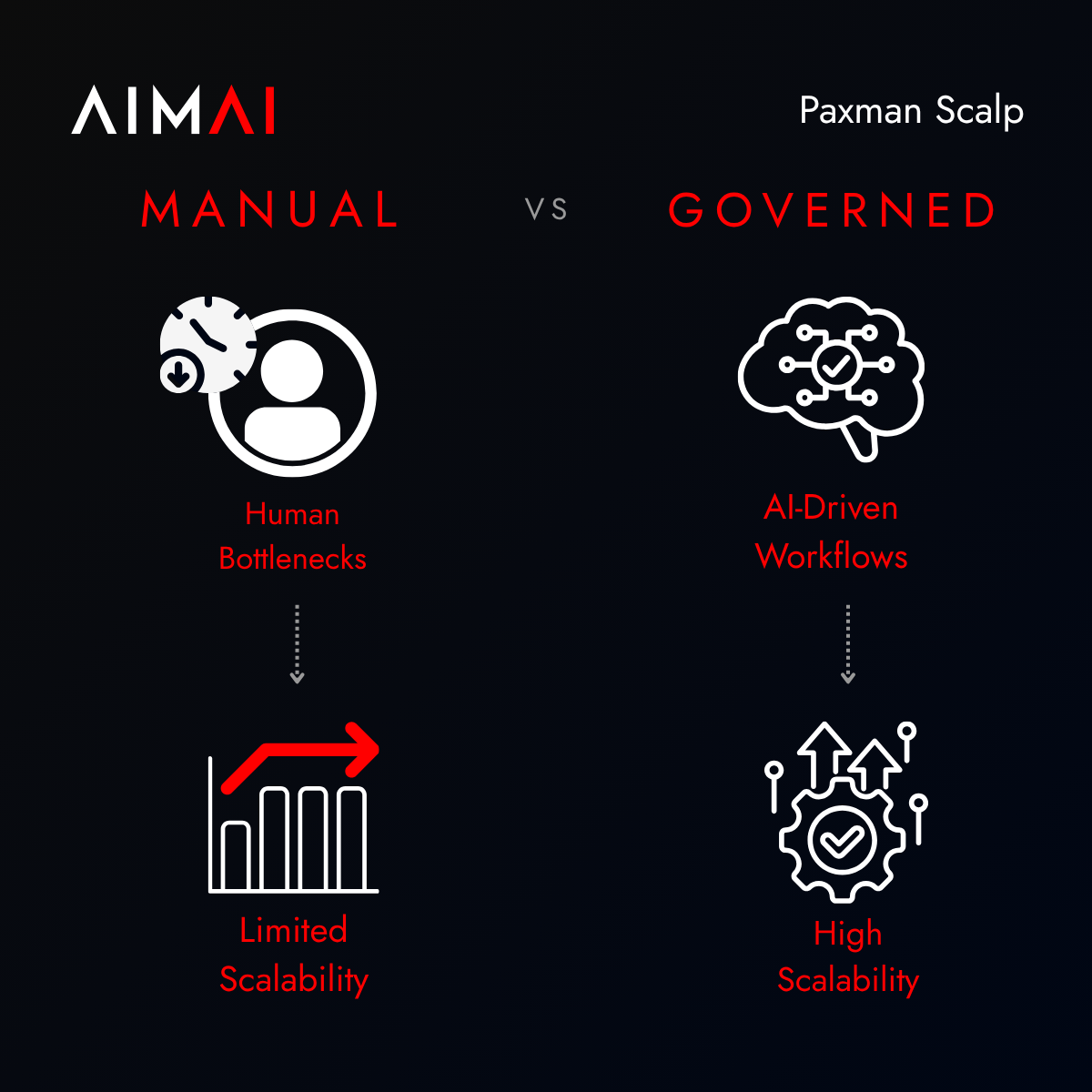
| Scalable Architecture | Modular design to host future applications. | Allows the platform to grow alongside the business. |
Live Applications and Future Pipelines
Paxman is already using the platform to handle day-to-day administration, with more tools currently in active development to target specific bottlenecks.
Active Applications
The platform currently hosts live, secure tools that allow authorised staff to instantly query technical documentation, policy archives, and internal databases, cutting hours of manual search time down to seconds.
Applications in Development
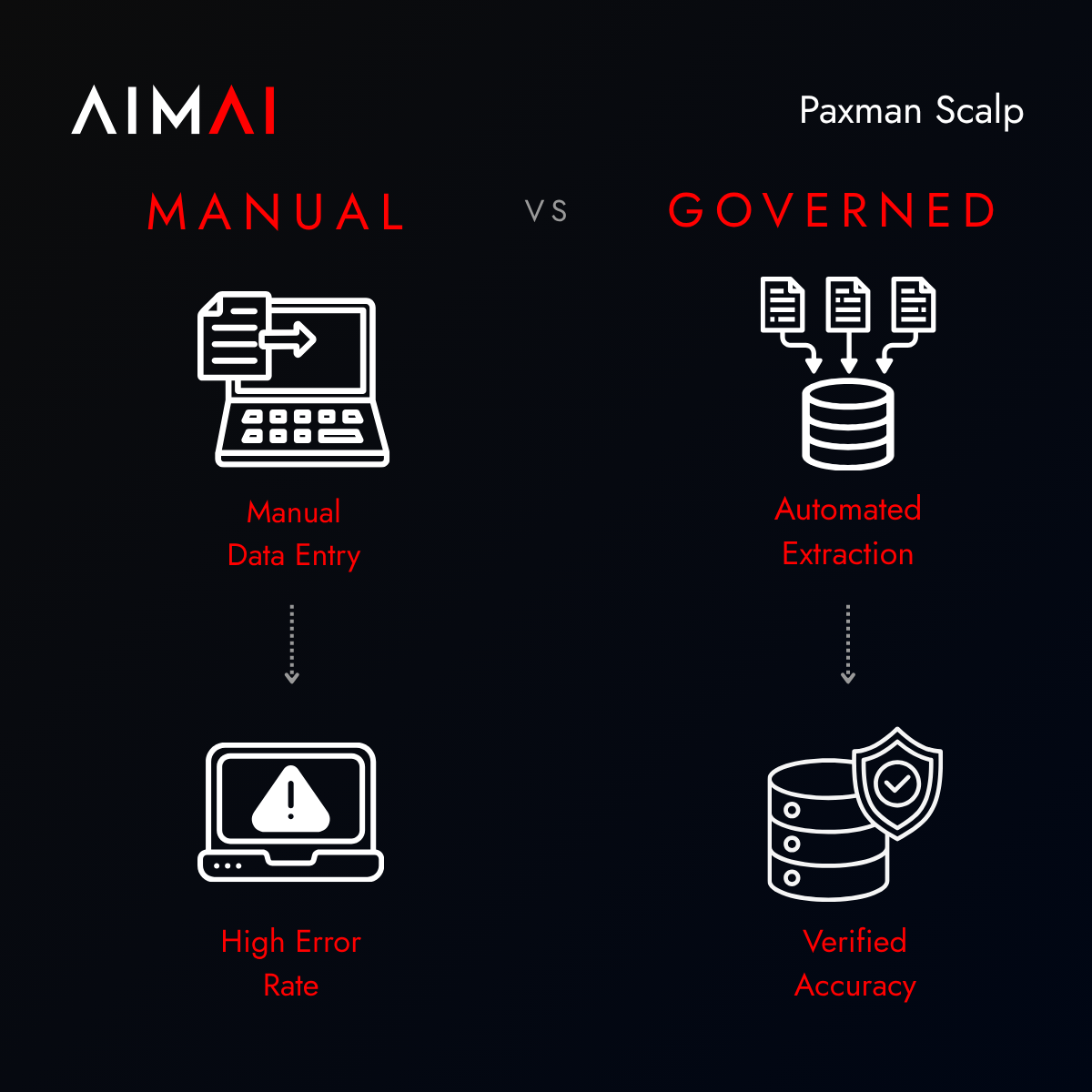
- Complaint and Incident Manager: Designed to read incoming feedback forms, extract key details, categorise issues, and automatically organise files within the company’s secure directory.
- Clinical Training Log App: Built to parse handwritten training registers and digital records, extract participant details, and automatically generate training certificates.
These tools are designed to handle the tedious initial steps of data entry and document organisation, leaving final reviews and formal sign-offs entirely to Paxman’s specialist staff.
The Broader Value for Paxman Scalp
The true impact of this partnership extends beyond individual tools. Paxman now possesses a secure, reusable blueprint for adopting AI across any department.
Key organisational benefits include:
- Better Resource Allocation: Highly trained engineering and quality teams spend less time on repetitive admin and more time on product development and clinical education.
- Empowered Global Partners: International distributors can retrieve authorised technical guidance more independently, improving response times.
- Risk Reduction: The board has clear visibility and control over how, where, and why AI is being used across the global business.
By prioritising governance and security, Paxman has proven that medical device companies can adopt modern AI capabilities safely, efficiently, and without sacrificing regulatory integrity.